

The Architectural Anchor:
Why the Cocktail Table is the Center of the Modern Home
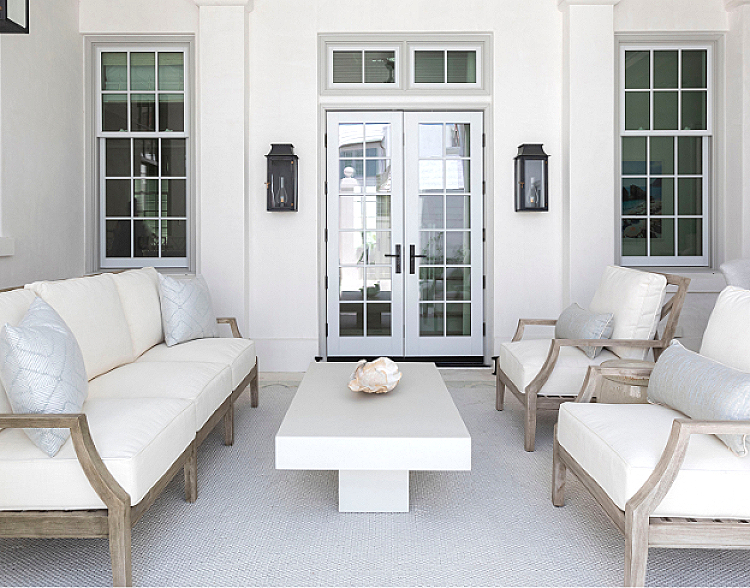
This season, we are turning our attention to one of the most versatile yet often under-indexed anchors in the home: the cocktail table. While sofas provide the comfort and rugs define the boundary, the cocktail table acts as the connective tissue of a room. It is the rhythmic center that draws people together, transforming a static seating arrangement into a functional environment for conversation and movement.
For the discerning interior designer or homeowner, selecting a cocktail table is an exercise in balancing "visual quiet" with sculptural impact. In the world of luxury residential and hospitality design, these pieces are no longer merely "furniture"; they are functional art.
Beyond the Living Room
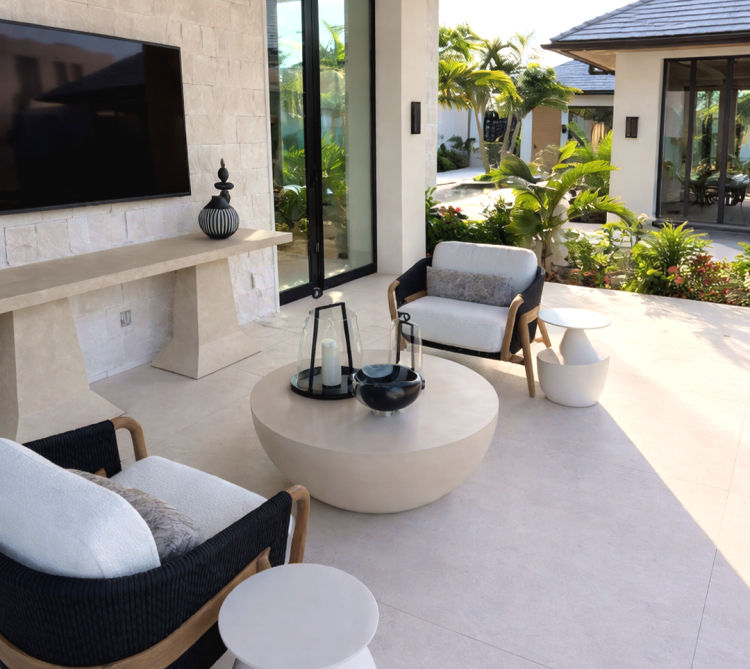
The most common misconception in contemporary design is that the cocktail table is tethered exclusively to the lounge or the grand room. In reality, the most sophisticated interiors use these pieces to create intentionality in unexpected corners.
Consider the primary suite: a low-profile, hand-etched table placed between two slipper chairs creates an immediate sanctuary for morning reflection. In an expansive entry hall or even a curated spa-like bathroom, a stone-textured table serves as both a structural statement and a practical surface for artisanal objects. By floating these pieces in unconventional spaces, you create "vignettes of purpose" that make a large home feel intimate and considered.
The Art of the "Small Table" Composition
The perceived risk of "too many tables" is rarely about the quantity and almost entirely about the architectural choreography of the room. Think of a cluster of small tables as a curated ensemble; when placed without a clear relationship to one another, they create visual static. However, when arranged with an eye for varying heights and diameters, they form a cohesive "landscape" that feels far more sophisticated than a single, heavy monolith. The objective is to ensure each surface speaks to the next—whether through a shared finish or a complementary geometric language—so the arrangement feels like a deliberate, sculptural choice rather than a collection of afterthoughts.
Avoiding the "Static Display" Trap
One of the most frequent styling missteps is treating the cocktail table as a museum plinth rather than a living surface. A table overloaded with heavy books and delicate decor becomes unusable in daily life. A truly well-designed space must "hold space for living"—leaving room for a drink, a laptop, or a casual moment.
Furthermore, scale is paramount. A common faux pas is selecting a table that sits too high relative to the seat height or one that is swallowed by the surrounding upholstery. For high-end environments, we recommend tables that sit slightly lower than the seat cushions to maintain a relaxed, lounge-like atmosphere that feels both modern and inviting.
Fresh Silhouettes and Tactile Materiality
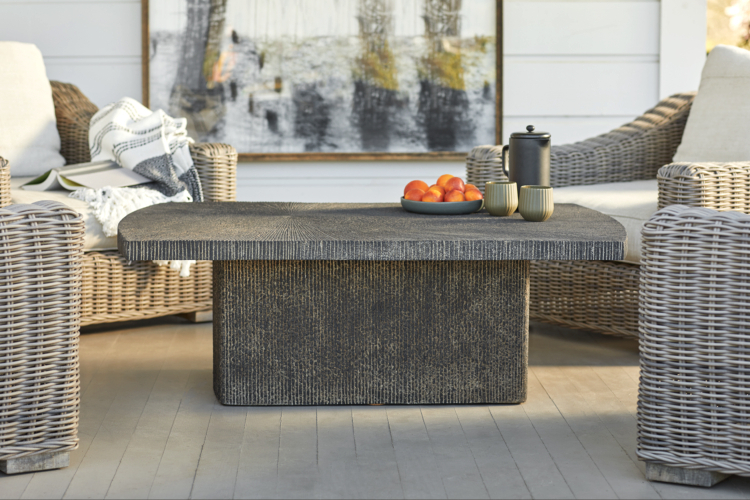
What feels most relevant in design right now is a departure from the "manufactured" look in favor of the organic and the sculptural. We are seeing a significant return to surfaces that engage the senses, like handcrafted textures chizeled from GFRC and fiberstone.
The shift toward these materials signals a desire for furniture that feels grounded and permanent, yet fluid in form. Today’s most compelling silhouettes lean into soft curves and brutalist-inspired textures that mimic the natural erosion of stone or raw earth. These pieces bridge the gap between indoor refinement and outdoor ruggedness, offering a tactile weight that provides a sophisticated counterpoint to plush upholstery. By prioritizing the hand-finished over the mass-produced, the table becomes a conversation piece that honors both the artisan’s touch and the raw beauty of the material.
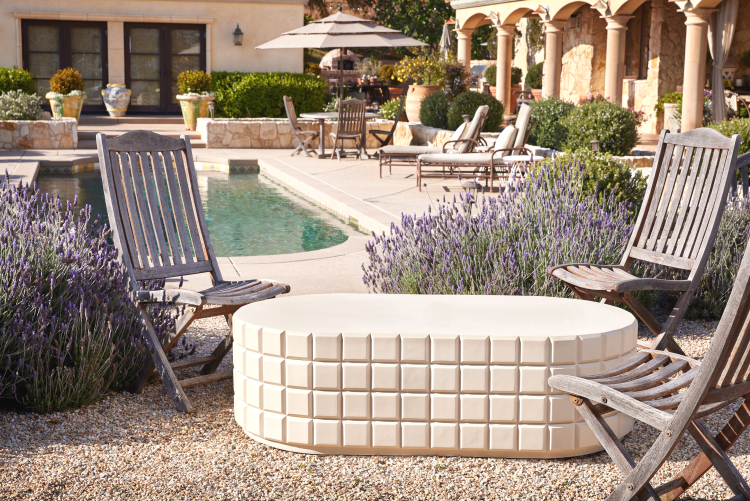
Ultimately, the cocktail table is more than a mere surface; it is a vital architectural tool that defines how we inhabit our homes. By moving beyond conventional placement and embracing organic, tactile materials, you transform these pieces into focal points that are as much about sensory experience as they are about utility. Whether you are anchoring a grand room or curating a quiet nook, the goal is to choose a silhouette that invites interaction rather than just observation. When you strike that perfect balance between sculptural weight and "room to live," the cocktail table ceases to be an accessory and becomes the true heart of the interior.