
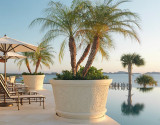
Sculptural Furniture: When Functional Pieces Become Architectural Statements
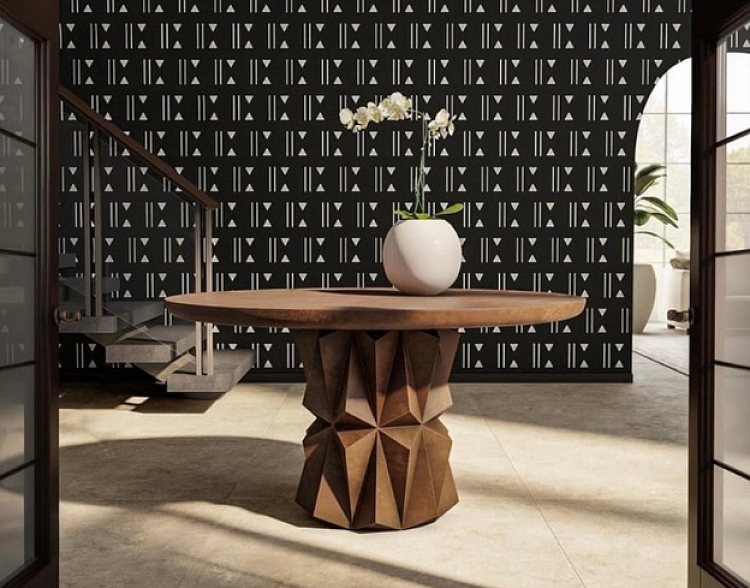
In luxury interiors and outdoor environments, furniture is no longer expected to simply fill a space. Designers are increasingly selecting pieces that define a space — objects with presence, texture, and form that feel as considered as the architecture around them.
This shift has brought sculptural furniture to the forefront of hospitality, residential, and commercial design. Tables, seating, consoles, planters, fire features, and site furnishings are being viewed not only as functional elements, but as focal points that shape the atmosphere of a room or landscape.
For designers and landscape architects, the appeal is clear. A sculptural piece can create visual interest, anchor a space, and introduce artistry without adding unnecessary decoration. It allows form, material, and function to work together.
Furniture as a Focal Point
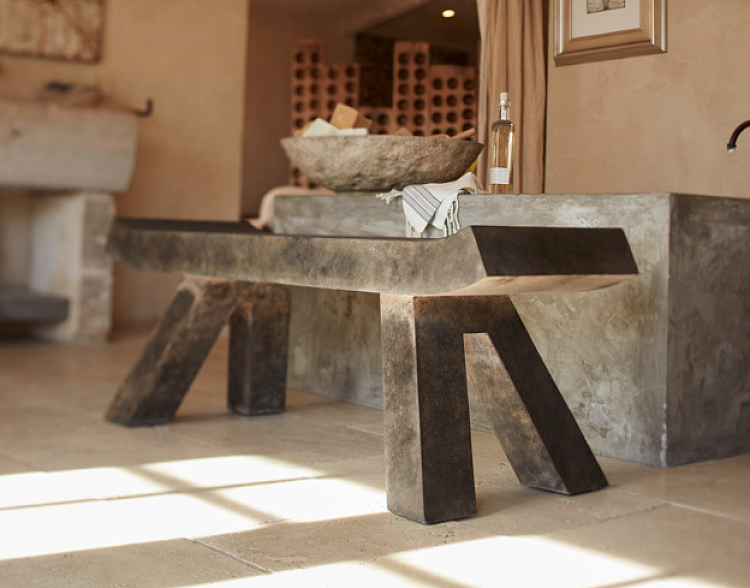
Sculptural furniture is defined by more than an unusual silhouette. It is furniture with a point of view. These pieces often feature bold proportions, organic curves, carved textures, substantial bases, or monolithic forms that make them feel intentionally placed and visually memorable.
In a hotel lobby, a sculptural table can create a moment of arrival. In a restaurant, a textured base or architectural seating form can reinforce the identity of the space. On a terrace or pool deck, a substantial side table, fire feature, or planter can bring rhythm and structure to an open environment.
The most successful sculptural pieces do not compete with the design around them. They enhance it. They bring balance, contrast, and character while still serving a clear purpose.
The Move Toward Fewer, More Meaningful Pieces
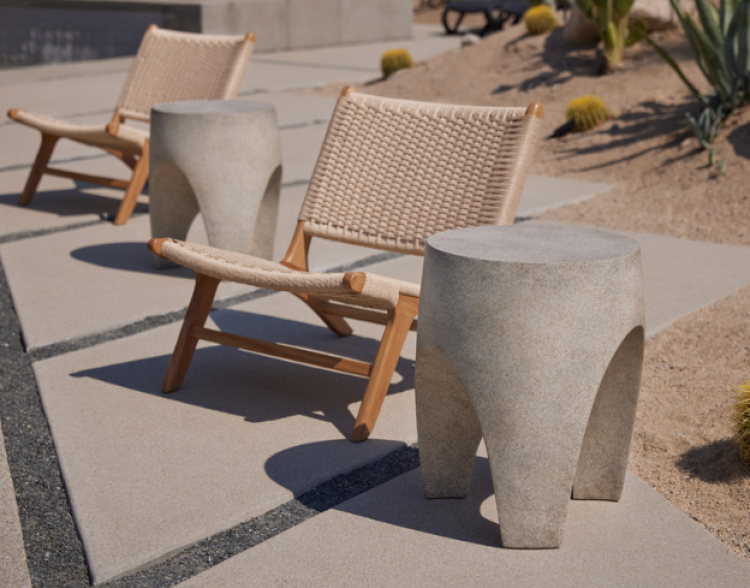
One reason sculptural furniture continues to resonate is the broader movement toward more edited interiors. Many luxury spaces are moving away from overly filled rooms and toward fewer, stronger elements.
In this kind of design approach, each piece needs to earn its place.
A dining table is not just a surface. It becomes the center of gathering. A side table is not just a place for a glass or book. It contributes shape, texture, and proportion. A bench or lounge element is not only seating. It helps define how people move through and experience a space.
This is especially important in hospitality design, where every object contributes to the guest experience. A sculptural furniture piece can help a restaurant feel intimate, a resort terrace feel grounded, or a courtyard feel curated and complete.
Material Is Part of the Sculpture
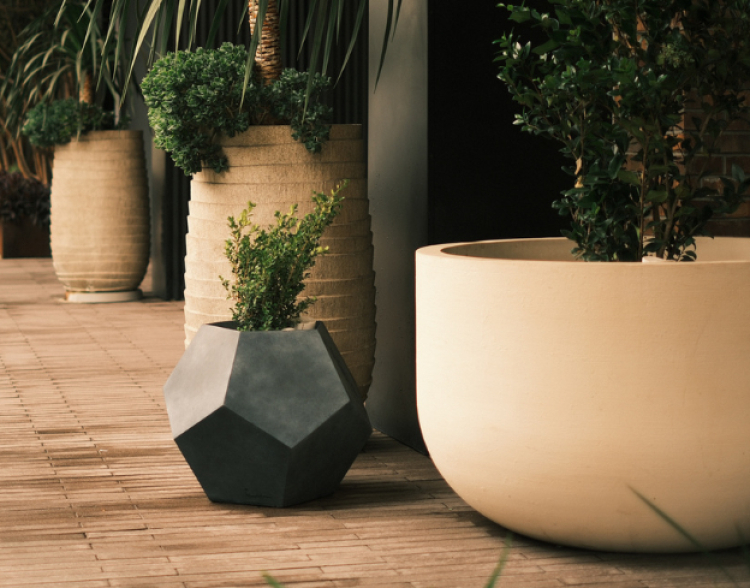
The impact of sculptural furniture depends heavily on material. Form may create the silhouette, but material gives the piece its emotional weight.
Stone-like materials, textured surfaces, hand-applied finishes, and natural variation all contribute to the sense that a piece is crafted rather than manufactured. They catch light differently throughout the day, reveal detail up close, and create a tactile quality that smooth, mass-produced surfaces often lack.
Stone Yard’s GFRC and Fiberstone materials are especially well suited to this design direction. They offer the look and presence of carved stone with the performance advantages needed for indoor and outdoor environments. Their surfaces can feel substantial, organic, and architectural while allowing for forms that would be difficult to achieve with quarried stone or traditional solid concrete.
GFRC brings a concrete-like strength and sculptural character, making it ideal for pieces that need visual weight, custom texture, and long-term performance. Fiberstone offers a lighter-weight option with the natural look and feel of stone, especially useful for larger furnishings, planters, and hospitality applications where installation and handling are key considerations.
In both materials, texture becomes part of the design language.
Sculptural Forms Indoors and Outdoors
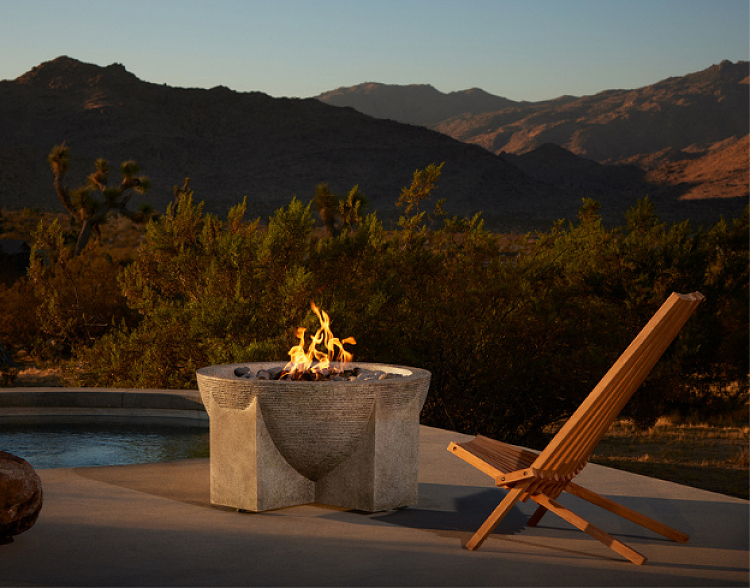
Sculptural furniture is not limited to interiors. In fact, outdoor spaces often benefit from these pieces even more.
Terraces, courtyards, pool decks, gardens, and resort landscapes usually require objects that can hold their own visually. Without walls or traditional room boundaries, furniture and architectural elements help define the space.
A substantial planter can frame an entry or divide an outdoor dining area. A fire feature can become the natural gathering point of a lounge. A water feature can act as both sculpture and sensory anchor. A textured table can bring material richness to a patio or courtyard.
These pieces create structure without feeling heavy-handed. They help outdoor environments feel designed, layered, and connected to the surrounding architecture.
Why Designers Are Drawn to Sculptural Pieces
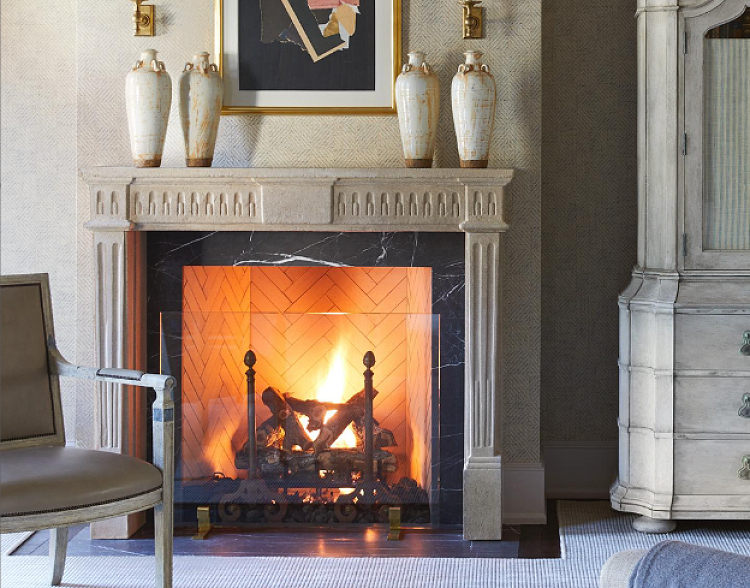
Sculptural furniture offers something that is increasingly valuable in design: memorability.
A space may be beautiful, but a strong sculptural element gives people something to remember. It creates a visual pause. It invites a closer look. It gives a room or landscape a sense of identity.
For designers, these pieces also offer flexibility. A sculptural object can soften minimal architecture, add contrast to clean-lined spaces, or reinforce an organic, nature-driven concept. It can feel modern, timeless, rustic, or refined depending on its form and finish.
The key is proportion. Sculptural furniture should feel intentional, not ornamental for its own sake. The best pieces balance artistry with usability, allowing function and form to support each other.
Built for Lasting Presence
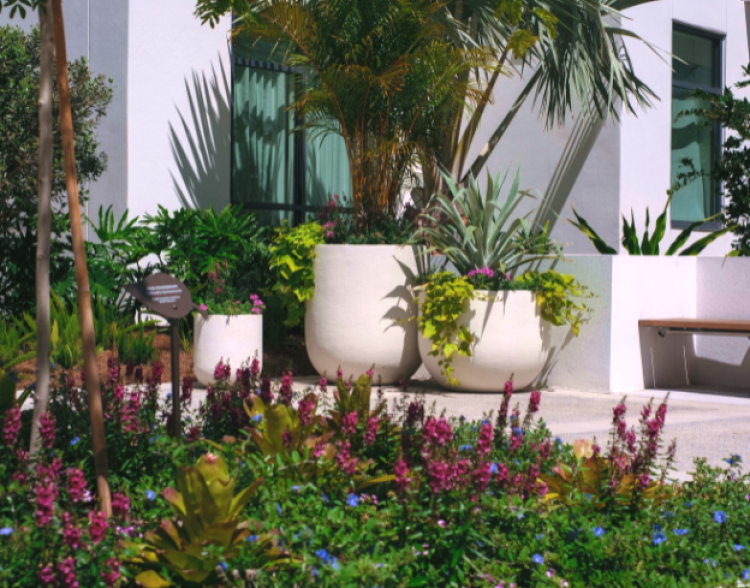
Sculptural furniture has lasting appeal because it is rooted in fundamentals: shape, proportion, texture, and material. These are not short-lived trends. They are the principles that make objects feel enduring.
For hospitality and luxury residential projects, this matters. Pieces must perform over time, but they must also continue to feel relevant as styles evolve. Sculptural forms made from durable, stone-like materials offer that balance of permanence and expression.
Stone Yard’s tables, seating, planters, fire features, water features, mantels, and site furnishings are designed with this kind of architectural presence in mind. Each piece brings function to a space, but also contributes form, texture, and atmosphere.
As designers continue to create spaces that are more edited, immersive, and material-driven, sculptural furniture will remain an essential part of the conversation. It is where utility becomes artistry — and where a functional object becomes something truly memorable.
Explore Sculptural Design with Stone Yard
Discover GFRC and Fiberstone pieces designed to bring form, texture, and architectural presence to indoor and outdoor spaces. From hospitality environments to luxury residences, Stone Yard collections offer sculptural elements that feel both functional and enduring.
Explore our collections to find pieces that bring lasting presence to your next project.