
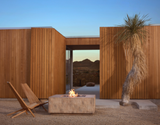
Fire Features as Architectural Gathering Points

In hospitality and luxury residential design, outdoor spaces are expected to do more than look beautiful during the day. Terraces, courtyards, pool decks, and open-air lounges are increasingly designed to shift with the rhythm of the property — calm in the morning, active throughout the day, and atmospheric after sunset.
Fire features play a distinct role in that transformation. They are not simply decorative additions or seasonal amenities. When thoughtfully placed, they become architectural gathering points: elements that organize space, create intimacy, extend use into the evening, and give guests a natural place to pause.
For designers and landscape architects, fire offers both function and emotion. It adds warmth, movement, light, and visual gravity. In open outdoor environments, where walls and ceilings may be minimal or absent, a fire feature can help define the room.
Fire as a Center of Gravity

The most successful outdoor spaces often have a clear focal point. Indoors, that role may be played by a fireplace, a central table, a piece of art, or a strong architectural detail. Outdoors, fire can serve that same purpose.
A fire feature naturally draws attention. Its movement creates visual interest, while its warmth encourages people to gather nearby. In a resort lounge, it can anchor a seating arrangement. In a restaurant courtyard, it can create a sense of intimacy. On a private terrace, it can turn an open patio into a more defined outdoor room.
This is what makes fire so powerful as a design element. It does not need to compete for attention. It creates its own atmosphere.
Extending the Life of Outdoor Spaces
As temperatures cool, outdoor hospitality spaces can lose some of their appeal if they are not designed for comfort after dark. Fire features help extend the use of these spaces into the evening and into cooler seasons.
For hotels, restaurants, resorts, and luxury residences, this matters. A terrace that feels inviting after sunset becomes more than a daytime amenity. It becomes a destination. A pool deck can transition into an evening lounge. A courtyard can become a place for conversation. A patio can continue to feel active and considered long after the sun goes down.
The value is not only practical. It is experiential. Fire changes how guests perceive a space. It adds a sense of welcome, comfort, and occasion.
Defining Outdoor Rooms
Outdoor spaces often need structure. Without the boundaries of interior architecture, furniture and site elements must work harder to create zones, guide movement, and support the intended experience.
A fire feature can help define these zones. It can mark the center of a lounge area, separate a dining terrace from a more relaxed seating space, or provide a visual endpoint within a courtyard. When paired with planters, seating, tables, or water features, fire becomes part of a larger spatial composition.
This is especially important in hospitality design, where outdoor areas often serve multiple purposes throughout the day. A single courtyard may need to function as a quiet morning retreat, an afternoon gathering space, and an evening lounge. Fire gives that space a strong after-dark identity.
Material Presence Matters

Because fire features often become focal points, their materiality is important. The form, finish, scale, and texture of the piece all contribute to the overall atmosphere.
Stone-like materials bring permanence and visual weight to outdoor environments. They feel grounded in the landscape and substantial enough to hold their place within large hospitality settings. This is especially valuable in spaces with strong architecture, expansive terraces, or natural surroundings.
Stone Yard fire features are crafted in GFRC and Fiberstone, materials that offer the look and presence of carved stone with the performance required for outdoor environments. Their sculptural forms and textured finishes allow them to serve as both functional amenities and architectural elements.
In this context, the fire feature is not an accessory. It becomes part of the language of the space.
Creating Atmosphere After Dark

Lighting is often discussed in terms of fixtures, placement, and visibility. Fire adds a different kind of light. It is warmer, softer, and constantly changing.
This movement gives outdoor spaces depth after dark. Shadows shift. Materials appear richer. Seating areas feel more intimate. The space becomes less about daytime views and more about mood, connection, and presence.
For resorts and restaurants, this can be especially valuable. Guests may remember the way a space felt in the evening: the glow of fire near a seating area, the contrast between warm light and cool night air, the feeling of gathering in a place that seems designed for lingering.
That atmosphere is difficult to create through furniture alone. Fire brings an elemental quality that feels both refined and instinctive.
Designing the Gathering Point

When specifying a fire feature, designers should consider more than the piece itself. The surrounding layout is just as important.
A fire feature should feel integrated into the seating plan, circulation path, and overall experience of the space. It should be easy to gather around without feeling obstructive. It should have enough presence to anchor the area, but still feel proportionate to the environment. It should complement nearby materials, planting, and architectural forms.
In hospitality settings, durability and scale are also key. Fire features must perform in outdoor environments while maintaining the visual quality expected of luxury spaces. The right piece should feel built into the design — not placed there as an afterthought.
A Lasting Element in Outdoor Design
Fire features continue to resonate because they fulfill several roles at once. They provide warmth, create ambiance, define space, and give people a reason to gather. They are practical, but they are also emotional.
For designers shaping outdoor hospitality and residential environments, that combination is powerful. A well-placed fire feature can transform a terrace, courtyard, pool deck, or lounge into a space that feels complete.
As outdoor spaces become more central to the guest experience, fire features offer a way to add structure, comfort, and atmosphere that lasts well beyond the season.
Explore Fire Features by Stone Yard
Stone Yard fire features are designed to bring sculptural form, material depth, and lasting performance to outdoor hospitality and luxury residential spaces.
Explore the collection to discover pieces that create warmth, atmosphere, and architectural presence after dark.