
Fiberstone vs. GFRC: A Designer’s Guide to Choosing the Right Material
When specifying furnishings for a luxury project, material selection plays a major role in both the design and the performance of a piece. The right material affects weight, durability, installation, finish, and long-term use.
At Stone Yard, Inc., two of our signature materials are Fiberstone and GFRC, also known as Glass Fiber–Reinforced Concrete. Both offer the refined look of natural stone with modern performance benefits, but each has distinct advantages. Understanding the difference can help designers, landscape architects, and project teams choose the right material for each space.
What Is GFRC?
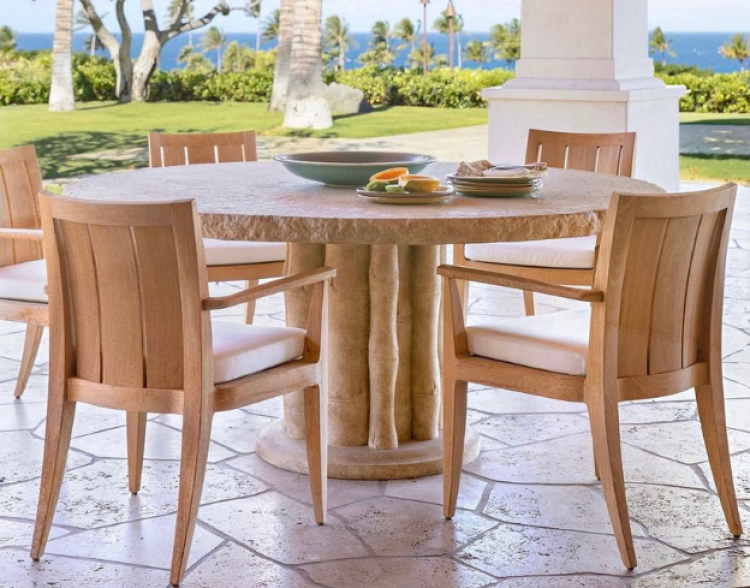
GFRC, or Glass Fiber–Reinforced Concrete, is a high-performance concrete material made with cement, fine aggregates, water, and alkali-resistant glass fibers. This combination creates a material that is lighter than traditional concrete while remaining exceptionally strong and durable.
Because GFRC can be cast into thinner profiles, intricate shapes, and custom textures, it is especially useful for architectural pieces that require both strength and refinement. It has the substantial, timeless appearance of concrete or natural stone, but with improved flexibility and performance.
GFRC also performs beautifully outdoors. It resists cracking, withstands weather exposure, and is well suited for demanding exterior environments, including spaces that experience freeze–thaw cycles.
Key Benefits of GFRC
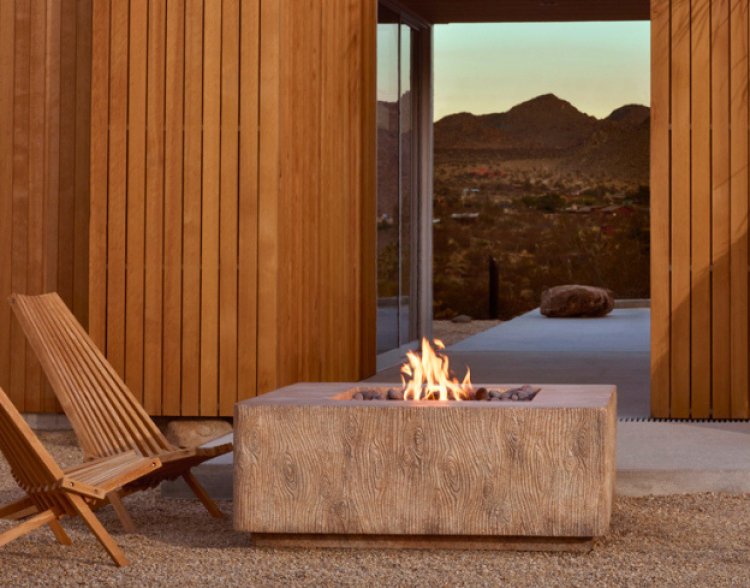
Strong Yet Lighter Than Traditional Concrete
GFRC weighs approximately 7.5 lbs. per square foot, making it significantly lighter than solid concrete while still offering impressive strength. This balance makes it ideal for architectural products that need durability without the excessive weight of traditional cast concrete.
Natural Stone Appeal
GFRC captures the look and texture of real stone, giving pieces a substantial and refined presence. Its surface has the timeless character designers often seek for luxury resorts, residences, courtyards, terraces, and hospitality spaces.
Design Flexibility
One of GFRC’s greatest advantages is its ability to be molded into intricate shapes, patterns, and custom finishes. For designers who want sculptural forms, detailed textures, or a specific architectural language, GFRC offers excellent creative flexibility.
Weather Resistance
GFRC is built for outdoor performance. It can withstand exposure to the elements, including freeze–thaw conditions, while resisting cracking more effectively than traditional concrete. This makes it a strong choice for exterior installations that need to remain beautiful over time.
Long-Lasting Durability
Because GFRC uses less raw material than solid concrete while lasting for decades, it offers a durable and efficient alternative to heavier cast materials. Its longevity makes it a practical choice for projects where quality and performance matter.
What Is Fiberstone?
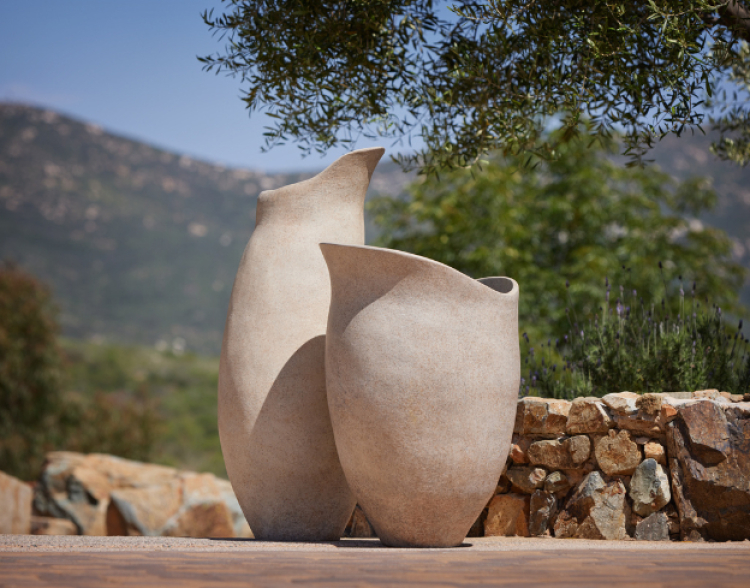
Fiberstone is a lightweight, durable material made by combining fiberglass with stone and cement. It offers the natural look and texture of stone while being much easier to handle and install.
At approximately 2.5 lbs. per square foot, Fiberstone is about one-third the weight of GFRC. This makes it especially valuable for larger designs, rooftop installations, hospitality projects, and spaces where easier placement is a priority.
Fiberstone is strong enough for outdoor use yet refined enough for interiors, making it a versatile choice for planters, furniture, and decorative accents.
Key Benefits of Fiberstone
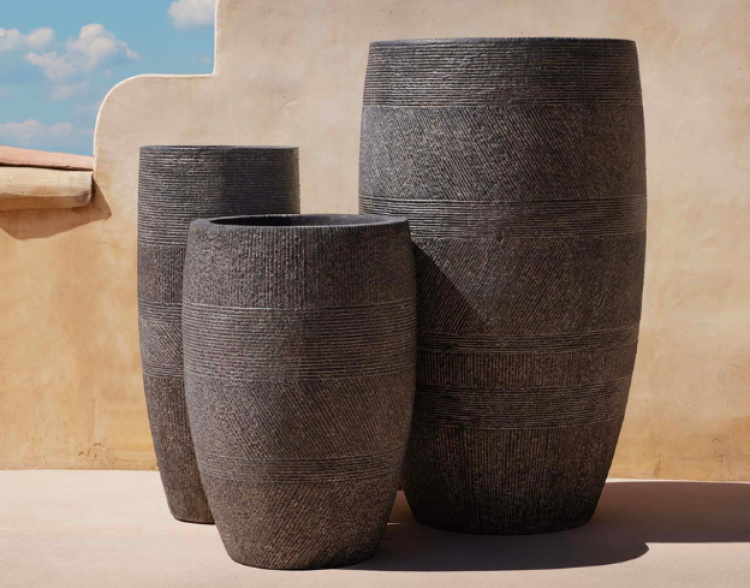
Exceptionally Lightweight
Fiberstone’s reduced weight is one of its biggest advantages. Because it is much lighter than GFRC and solid stone, it is easier to move, install, and reposition. This can be especially helpful for large planters, oversized pieces, terraces, balconies, and projects with installation limitations.
Natural Stone Look and Feel
Fiberstone captures the look and feel of natural stone without the challenges of using quarried stone. It gives designers a refined, organic material appearance while offering greater practicality in handling and placement.
Durable and Resilient
Reinforced with fiberglass, Fiberstone is designed for strength and resilience. It is suitable for both indoor and outdoor environments and offers enhanced chip resistance compared with GFRC. This makes it a strong option for high-traffic spaces and hospitality settings.
Indoor and Outdoor Versatility
Fiberstone works well across a range of environments, from interior lobbies and restaurants to exterior courtyards, pool decks, terraces, and gardens. Its versatility makes it useful for projects where designers want a consistent material story between indoor and outdoor spaces.
Eco-Conscious Alternative
Because Fiberstone uses fewer raw materials than quarried stone, it provides a more efficient way to achieve a natural stone look. Its lighter weight can also simplify transportation and installation.
GFRC vs. Fiberstone: Which Should You Choose?
Both GFRC and Fiberstone are excellent choices for luxury spaces. The best option depends on the project’s design goals, scale, installation requirements, and performance needs.
Choose GFRC When:
GFRC is the right choice when a project calls for architectural strength and sculptural detail. It is especially well suited for pieces that need intricate forms, custom textures, or the substantial character of concrete and stone.
GFRC is ideal for:
- Fire features
- Water features
- Architectural planters
- Custom shapes and textures
- Exterior installations exposed to seasonal weather
- Designs where a strong, substantial presence is desired
Choose Fiberstone When:
Fiberstone is the better choice when weight, ease of installation, and chip resistance are priorities. Because it is significantly lighter than GFRC, it is especially useful for large-scale designs and hospitality environments where pieces may need to be moved, placed, or installed more efficiently.
Fiberstone is ideal for:
- Large planters
- Rooftop terraces
- Balconies and patios
- Hospitality spaces
- Interior and exterior decorative accents
- Projects requiring easier handling or placement
- High-traffic environments where chip resistance matters
Final Thoughts
Choosing between Fiberstone and GFRC comes down to the needs of the project.
For pieces that require architectural strength and detailed forms, GFRC is an excellent option. For larger designs, easier installation, and enhanced chip resistance, Fiberstone offers exceptional versatility.
Both materials deliver the elevated look and strength of stone while avoiding many of the limitations of solid stone or traditional concrete. Whether specified for a luxury resort, private residence, rooftop terrace, courtyard, pool deck, or interior destination, Stone Yard’s Fiberstone and GFRC collections are designed to help transform indoor and outdoor spaces with confidence.
Need Help Choosing the Right Material?
Not sure whether Fiberstone or GFRC is the best fit for your project? Our team can help you compare options based on scale, placement, installation needs, finish preferences, and overall design intent. Contact us to discuss your project and find the right material for your space.