
Beyond Greenery: The Next Layer of Biophilic Hospitality Design
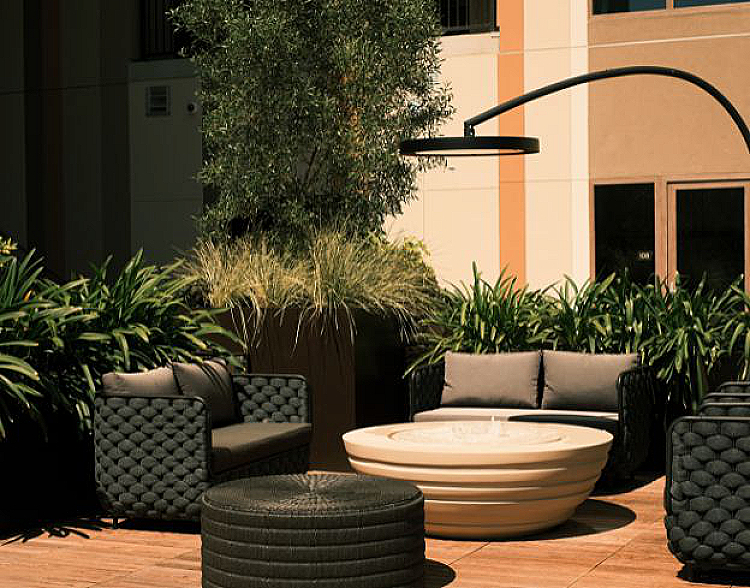
Biophilic design is no longer a new concept in hospitality. Designers, architects, and landscape architects already understand the value of bringing nature into hotels, restaurants, resorts, and wellness spaces. Greenery softens architecture. Natural light improves atmosphere. Organic textures make commercial environments feel warmer and more human.
But as biophilic design matures, the conversation is moving beyond simply adding plants.
The most memorable hospitality spaces are not just decorated with nature. They are shaped by it. They use natural elements as part of the architecture, the guest experience, and the emotional rhythm of the space. Stone, water, fire, daylight, texture, and planting all work together to create environments that feel immersive, restorative, and deeply connected to place.
For hotels and restaurants, this next layer of biophilic design is especially powerful. Guests are not only looking for beautiful interiors or landscaped patios. They are looking for spaces that help them transition out of the pace of daily life. Spaces that feel calming, grounded, and worth lingering in.
Nature as an Experience, Not an Accent
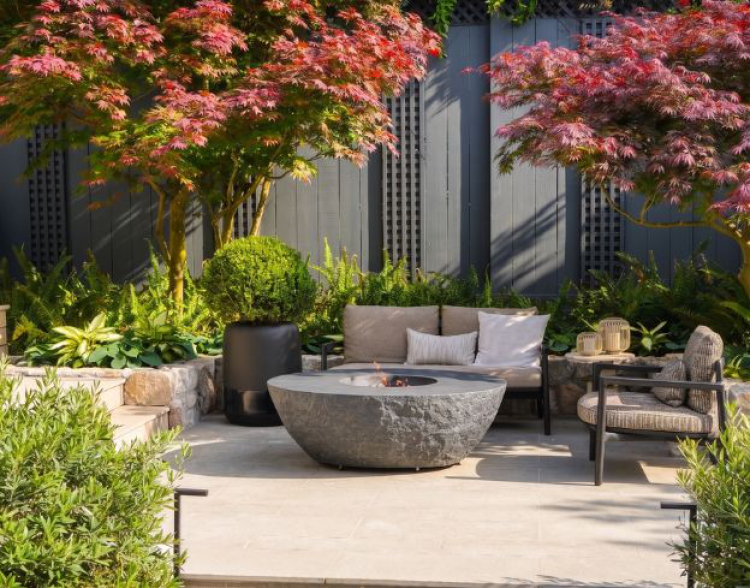
In earlier interpretations of biophilic design, greenery was often treated as the primary solution. A living wall, a row of planters, or a few large trees could immediately make a space feel more connected to nature.
Today, the most refined hospitality environments take a more layered approach. Greenery is still important, but it is only one part of the experience. Designers are also considering sound, temperature, materiality, shadow, reflection, and movement.
A courtyard becomes more memorable when planting is paired with the sound of moving water. A restaurant terrace feels more intimate when textured planters create natural separation between tables. A rooftop lounge becomes more inviting when a fire feature adds warmth and movement after sunset. A hotel entry feels more grounded when substantial stone-like forms create a sense of permanence on arrival.
These elements work because they engage the senses. They do not simply look natural. They make a space feel connected to nature.
Planters as Spatial Architecture
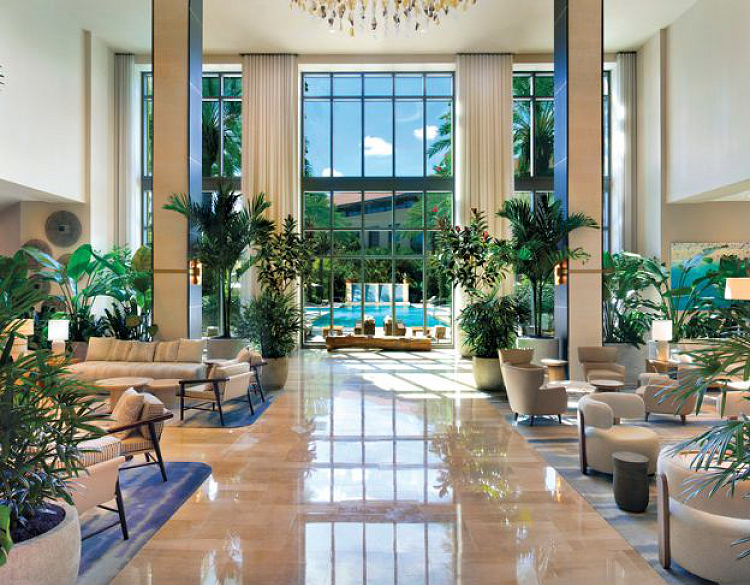
In hospitality design, planters are often doing more than holding plants. They define how a space functions.
Large-scale planters can guide circulation, frame entrances, create privacy, soften transitions, and divide open areas without building permanent walls. In restaurants, they can make outdoor dining feel more intimate. In hotels, they can help lead guests from lobby to courtyard, from terrace to pool deck, or from entry drive to arrival moment.
This is where planters become architectural tools. Their scale, finish, shape, and texture matter as much as the plantings themselves.
Stone Yard, Inc. planters are designed for this kind of role. In GFRC and Fiberstone, they bring structure and material presence while allowing greenery to become integrated into the overall design. They introduce planting, but they also add weight, rhythm, and visual balance to a space.
For designers working in hospitality, that dual purpose is valuable. A planter can be functional, sculptural, and atmospheric at the same time.
The Return of Elemental Design
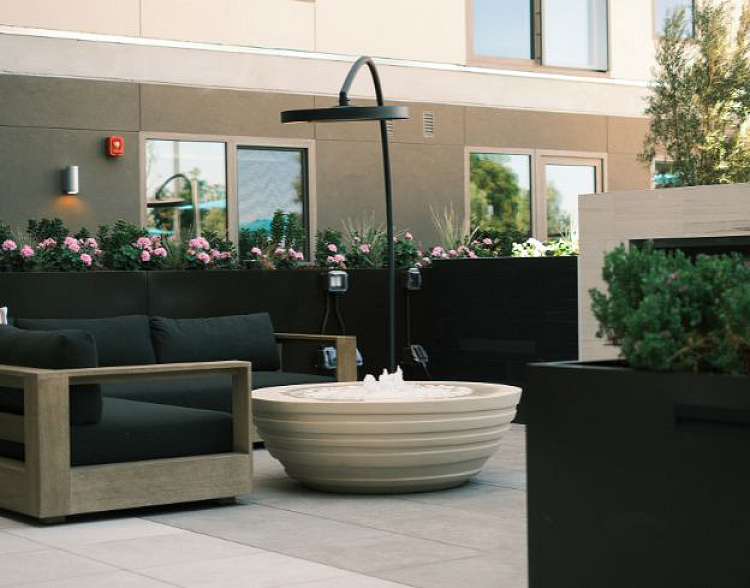
As hospitality spaces become more experience-driven, elemental design is becoming increasingly important. Water, fire, stone, and light have a timeless emotional impact. They help create environments that feel grounded, memorable, and instinctively welcoming.
Water features are especially effective in spaces designed for rest and retreat. The sound of moving water can soften urban noise, create a sense of privacy, and give guests a moment of calm. In a resort courtyard, spa garden, restaurant patio, or hotel entry, a fountain becomes both a visual anchor and a sensory experience.
Fire brings a different kind of energy. It adds warmth, movement, and atmosphere. In outdoor lounges, pool decks, and dining terraces, fire features naturally draw people in and extend the usability of a space into the evening. They create a focal point that feels both luxurious and primal.
Together, water and fire add contrast. One cools and calms; the other warms and gathers. When paired with planting and natural textures, they make a hospitality environment feel more complete.
Materials That Feel Connected to the Earth
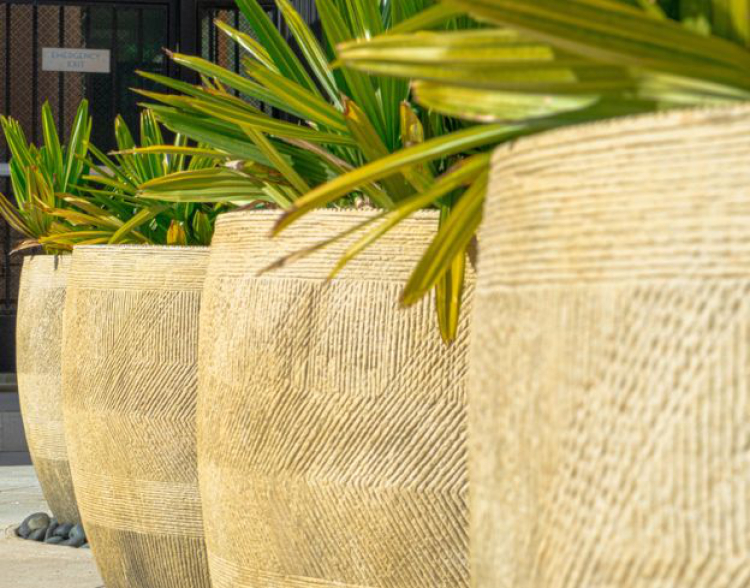
Nature-driven design also depends on material choices. The surfaces guests see and touch shape how a space is perceived. Smooth, synthetic, or overly polished materials can feel disconnected from the landscape, while textured, stone-like, and organic surfaces create a more grounded experience.
Stone Yard’s GFRC and Fiberstone materials support this approach by offering the appearance and presence of carved stone with modern performance benefits. They bring texture, depth, and a sense of permanence to hospitality settings without the limitations of solid stone or traditional concrete.
GFRC offers a strong, architectural character that works beautifully for sculptural forms, custom textures, and exterior applications. Fiberstone provides a lighter-weight option with the natural look and feel of stone, making it especially useful for larger pieces and hospitality installations where handling and placement matter.
Both materials help create the kind of tactile, natural atmosphere that biophilic spaces rely on. They do not compete with planting, water, or fire. They support them.
Designing for the Urban Escape
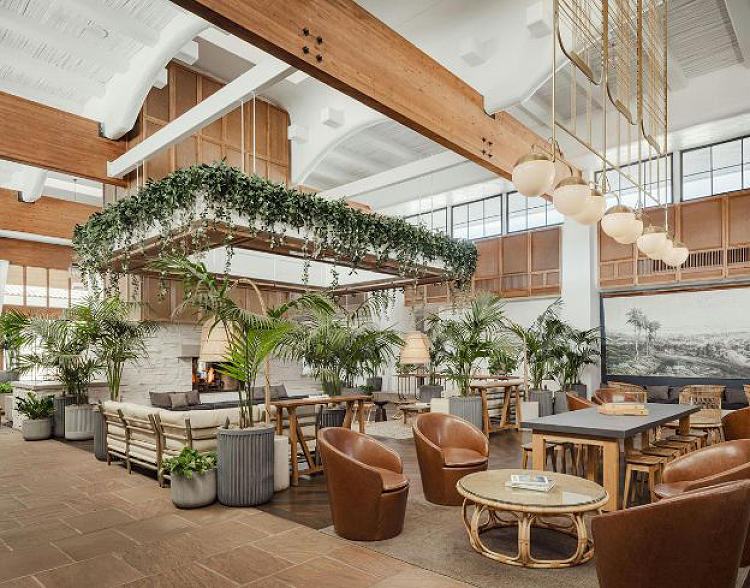
Biophilic design is especially relevant in urban hospitality environments because it offers guests a sense of contrast. A hotel courtyard, rooftop restaurant, or garden lounge can become a retreat from the surrounding city.
But creating that feeling requires more than plants. It requires a shift in atmosphere.
A rooftop framed with large planters feels more secluded. A water feature helps mask traffic and conversation. Fire adds warmth and visual movement as daylight fades. Stone-like furnishings and architectural elements create a feeling of permanence. Daylight, shadow, and texture give the space variation throughout the day.
The result is not just an attractive patio or lobby. It is an environment that feels transportive.
That is what today’s guests remember. Not only how a space looked, but how it made them feel.
Built for Immersive Hospitality Spaces
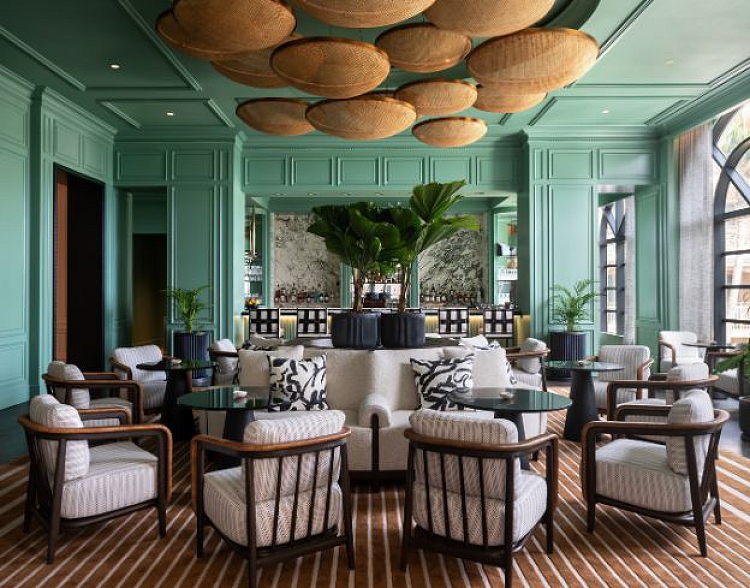
The next generation of biophilic hospitality design is more immersive, more sensory, and more architectural. It is less about adding nature as an accent and more about designing with natural elements from the beginning.
Stone Yard, Inc. products are created for that kind of environment. Our planters introduce greenery, structure, and texture. Our water fountains bring movement and calm. Our fire features add warmth and atmosphere. Our GFRC and Fiberstone furnishings and architectural pieces offer the look of carved stone with the durability required for indoor and outdoor hospitality spaces.
Together, these elements help designers create spaces that feel grounded, restorative, and built to last.
For hotels, restaurants, resorts, wellness destinations, and luxury residences, nature-driven design is no longer just a trend. It is a way to create places that feel more human, more memorable, and more connected to the world outside.
Start Your Nature-Driven Project
No matter what space you’re designing, Stone Yard, Inc. can help you select the right planters, furnishings, and materials for your project.
Contact us to explore products that bring natural texture, elemental beauty, and lasting performance to indoor and outdoor spaces.