
2027 Coffee Table Trends: The Rise of Sculptural, Storied Design
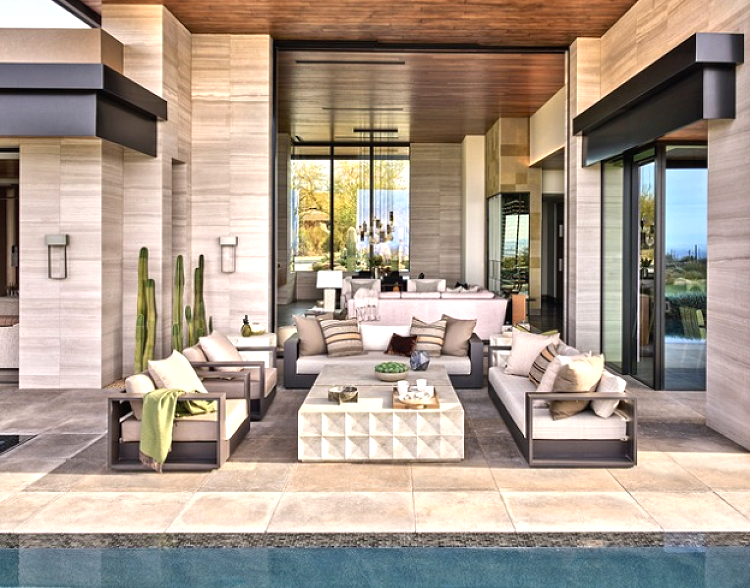
Coffee tables are entering a more expressive era. Looking ahead to 2027, the focus is shifting beyond unusual silhouettes toward pieces that feel thoughtfully designed, with distinctive materials and a character all their own.
For designers, the coffee table has become an opportunity to introduce personality into a space. Whether anchoring an intimate residential living room or defining a luxurious outdoor lounge, its influence extends well beyond its practical purpose.
From sculptural forms to richly textured finishes, these six emerging directions offer a glimpse into the next chapter of coffee table design.
1. Furniture as Sculpture
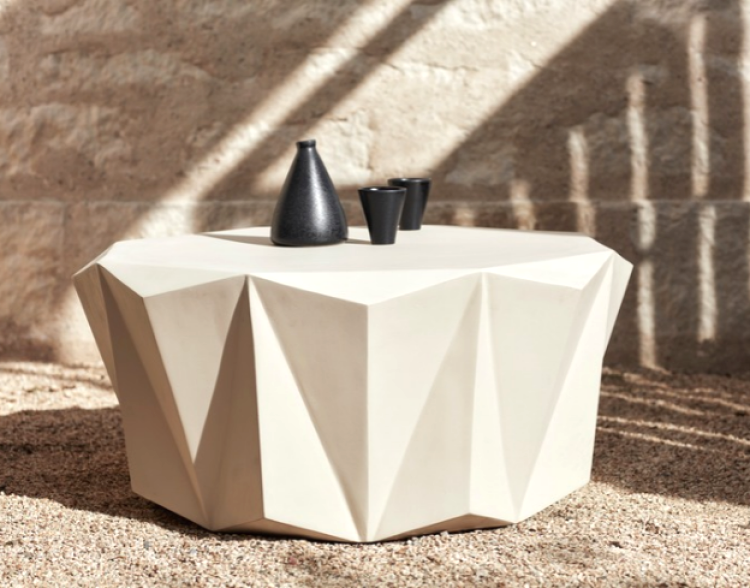
The distinction between functional furniture and sculptural art continues to soften. Coffee tables are increasingly being designed as objects worthy of attention from every angle.
Rather than relying on decorative surfaces alone, the structure itself becomes part of the statement. Unexpected geometry and distinctive silhouettes give each table a sculptural quality that feels both artistic and architectural.
This approach creates opportunities for designers to establish a focal point without introducing additional decorative elements. A table with a compelling silhouette can hold its own in a restrained interior, allowing the surrounding furnishings to remain understated.
In hospitality environments, sculptural coffee tables can become memorable details that distinguish a lounge or suite. Their visual impact feels especially intentional when the form relates to the broader architecture.
The strongest examples balance artistic expression with usability, creating pieces that feel equally considered as furniture and as sculpture.
2. Low & Substantial
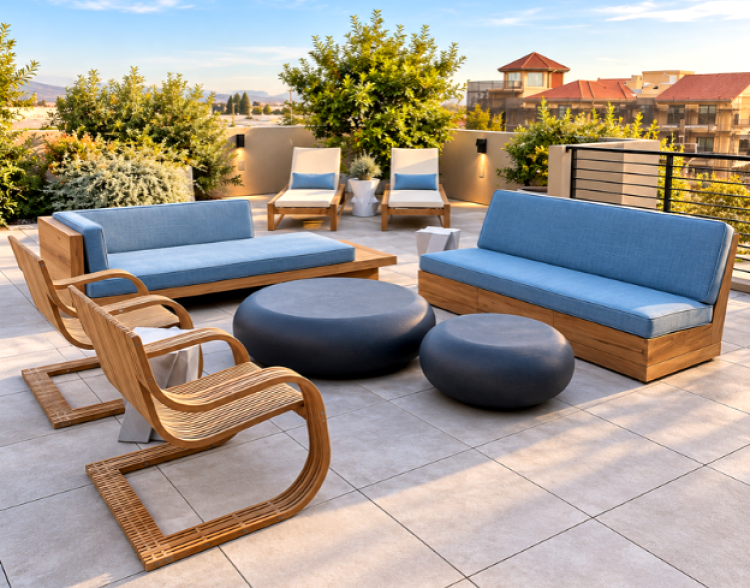
Coffee tables are taking on a more grounded presence, with lower profiles and generous proportions becoming increasingly compelling.
These substantial silhouettes offer a different kind of visual impact. Rather than drawing attention through height or intricate detailing, they establish a quiet sense of permanence.
Monolithic forms are particularly well suited to this direction. Tables that appear carved from a single mass bring visual weight to a room while allowing the natural character of the material to take center stage.
For designers working with expansive seating arrangements, proportion is especially important. A low, broad table can visually connect separate pieces of furniture, creating a cohesive gathering area without interrupting sightlines.
This approach also translates beautifully to outdoor environments, where substantial forms feel naturally connected to surrounding architecture and landscape.
The result is furniture that feels settled within its setting, rather than simply placed there.
3. Evolving Organic Forms
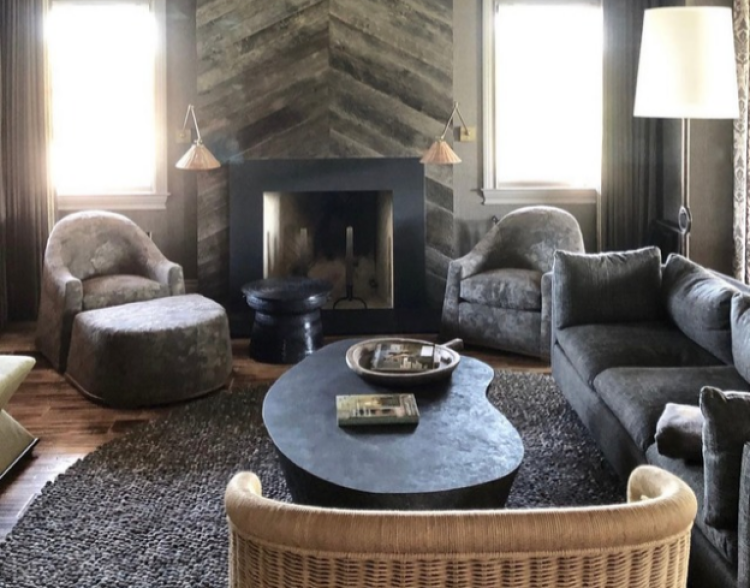
Organic furniture continues to influence contemporary design, but the emphasis is moving toward more deliberate interpretations of familiar curves.
Elongated ovals, softened edges, and subtle asymmetry offer a refined alternative to conventional geometric shapes. These silhouettes introduce movement while maintaining a sense of balance.
What makes this direction interesting is its versatility. An oval coffee table can soften a room dominated by straight architectural lines, while a gently irregular form can echo the contours of a more natural landscape.
Curves also influence how a space is experienced. Softer profiles can encourage more fluid circulation around seating arrangements, particularly in hospitality lounges where multiple people move through shared areas.
For designers, the opportunity lies in choosing shapes that respond to the surrounding environment. An organic form feels most compelling when its proportions and placement have been considered as carefully as its silhouette.3
4. Texture with Character
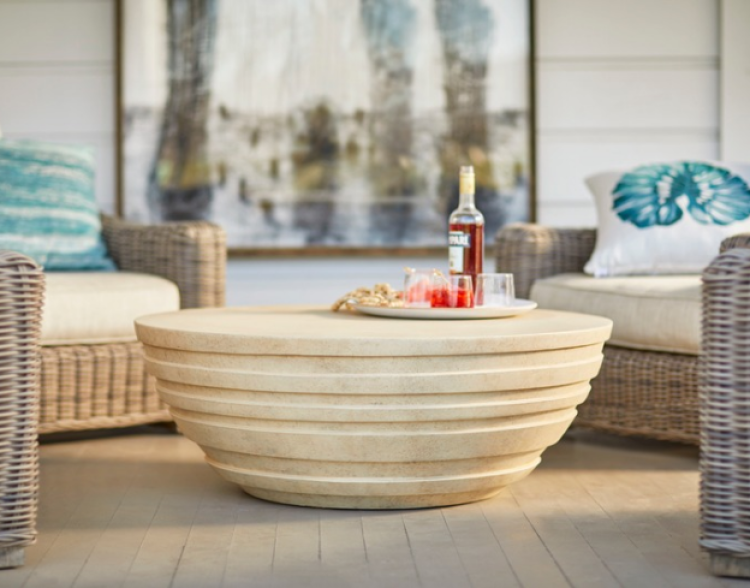
As furniture becomes more expressive, surface texture is playing an increasingly important role in defining its identity.
The appeal of a perfectly uniform finish is giving way to materials that reveal subtle variation and evidence of craftsmanship. Gentle imperfections, tactile surfaces, and nuanced finishes can give contemporary furniture a sense of depth that goes beyond color or shape.
This is particularly relevant to stone-inspired materials, where the character of the surface can dramatically influence the overall impression of a piece.
A subtly texture finish may introduce warmth to a minimalist space, while a more pronounced texture can provide contrast against smooth upholstery and polished architectural surfaces.
For designers, texture offers a way to build visual richness without relying on elaborate decoration.
It also creates an opportunity to connect furniture with surrounding materials. Repeating the character of a wall finish or architectural element through a coffee table can establish a subtle relationship between the furnishings and the space itself.
5. Unexpected Material Pairings
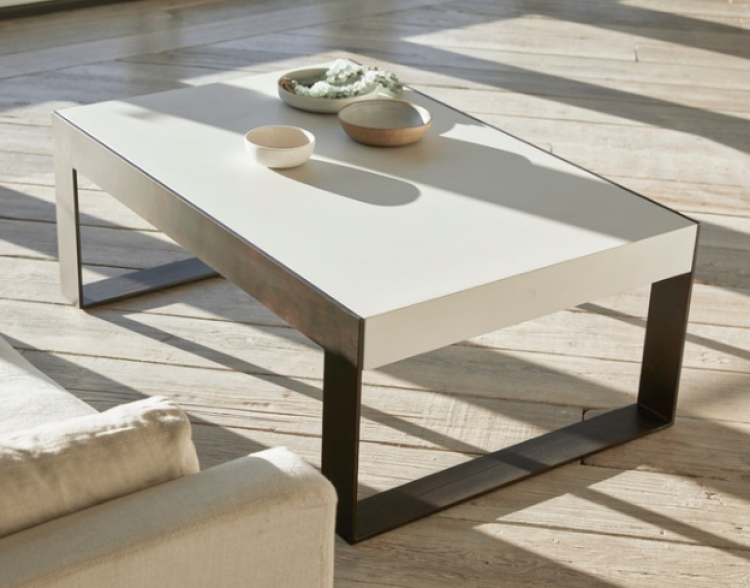
Material contrast is becoming an increasingly interesting part of contemporary coffee table design.
Rather than selecting furnishings around a single dominant finish, designers are embracing combinations that introduce tension and balance.
A substantial stone-like surface paired with a warmer material can feel inviting without sacrificing its contemporary character. Contrasting finishes can also bring greater definition to a sculptural silhouette, drawing attention to the relationship between the tabletop and its supporting structure.
The appeal lies in the conversation between materials. A visually heavy element can feel lighter when paired with something more delicate, while a smooth surface becomes more expressive alongside a textured one.
This direction encourages a more layered approach to furniture selection.
Even when a coffee table is made from a single material, it can participate in this aesthetic through its relationship with surrounding furnishings. A sculptural GFRC table, for example, can provide a compelling contrast to upholstered seating or natural wood accents.
6. Richer Tones
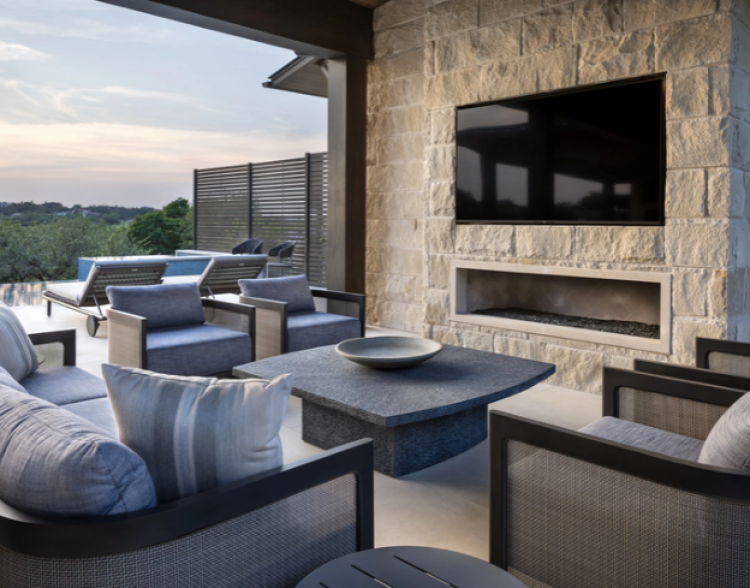
Neutral palettes remain essential to contemporary design, but their character is evolving.
Cool grays and pale beiges are making room for deeper, more atmospheric colors. Chocolate browns, muted greens, and dark stone-inspired finishes are becoming increasingly relevant, offering designers opportunities to create spaces that feel grounded and expressive.
These richer hues are particularly effective in coffee tables, where color can emphasize the form and visual weight of the piece.
A dark finish can create contrast in a light-filled interior, while warm earthy tones can complement natural materials and softer furnishings.
For designers, this shift is less about abandoning neutrals and more about expanding their possibilities.
The growing interest in deeper colors also creates opportunities for more intentional material palettes, particularly in hospitality spaces where atmosphere plays an important role in the guest experience.
Looking Beyond 2027
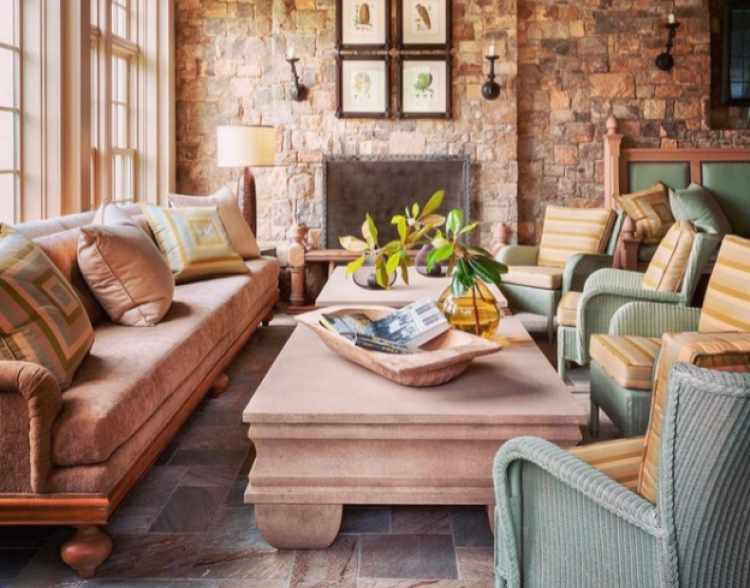
Perhaps the most meaningful direction in coffee table design is the growing emphasis on individuality.
A striking silhouette alone is no longer the entire story. Material character, thoughtful proportions, and the relationship between a piece and its surroundings are becoming equally important.
For designers, the most compelling coffee tables will be those that feel connected to the larger vision of a project. Pieces selected not simply to follow a particular aesthetic, but because they contribute something distinctive to the environment.
At Stone Yard, our handcrafted coffee tables bring together sculptural design and customizable finishes, offering designers a range of possibilities for both indoor and outdoor spaces.
Explore Stone Yard's Coffee Table Collection